
From the Lab

Practical systems we’ve designed, built, and tested in real-world use.
Nest Jeanie
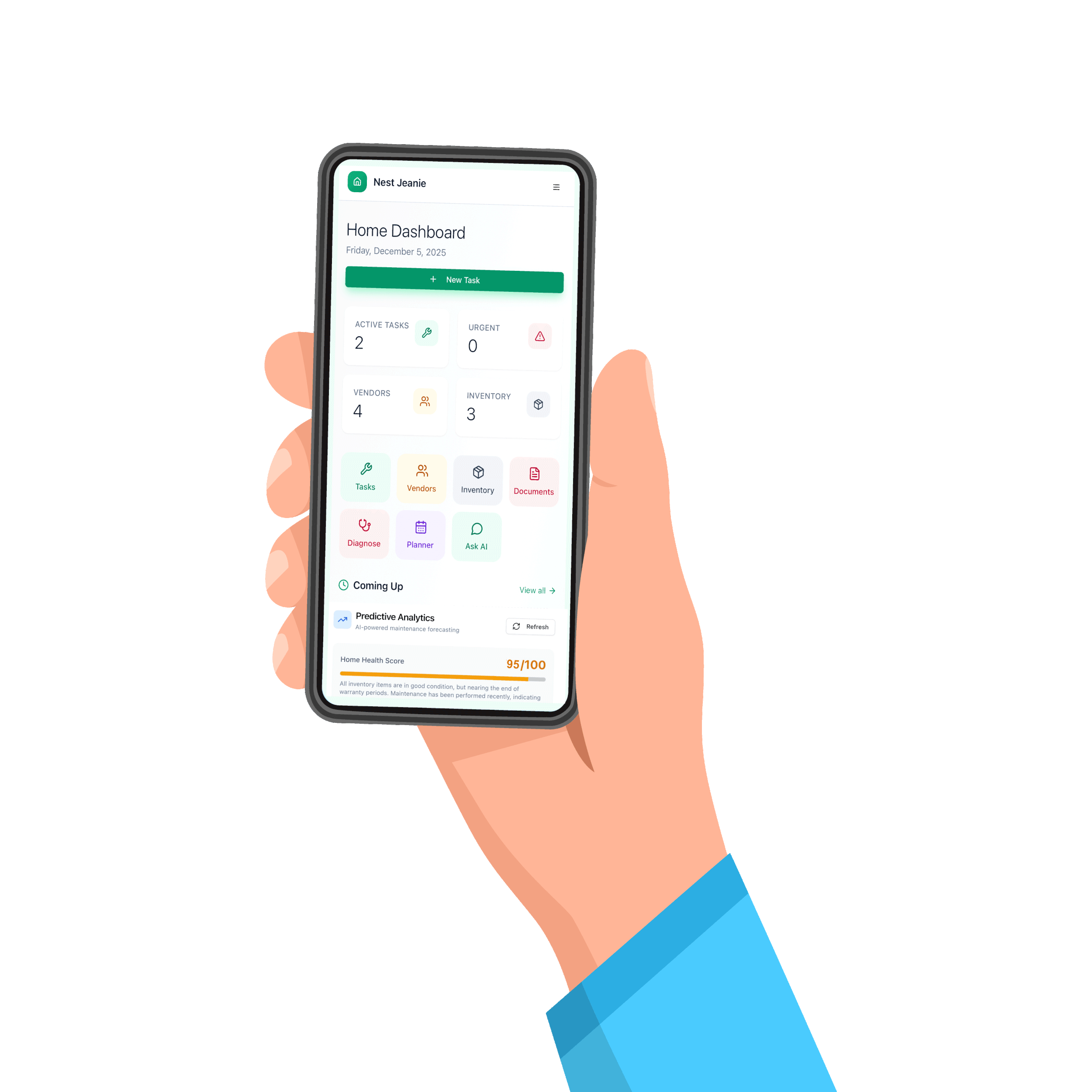
AI-powered home management platform.
Problem it solves:
Homeowners juggle dozens of responsibilities, maintenance schedules, vendor contacts, warranties, documents, and forgotten details, without a central system. Important tasks slip through the cracks, leading to wasted money, stress, and reactive decision-making.
Who it’s for:
Owner-occupied homeowners who view their home as a long-term asset and want clarity, continuity, and control, without becoming full-time property managers.
What we learned building it
Most people don’t need more alerts—they need context and memory
Adoption improves when systems feel supportive, not managerial
AI works best as a quiet assistant, surfacing what matters when it matters
Stewardship beats optimization: long-term thinking creates trust and retention

Comp Wizard

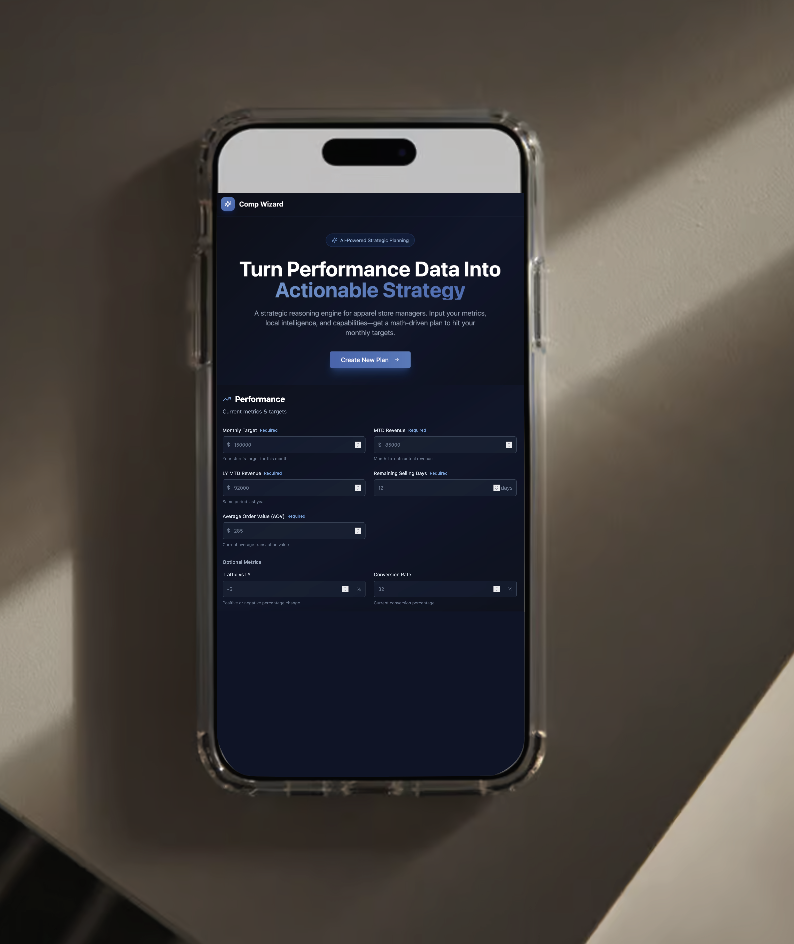
AI-powered retail performance planning engine.
Problem it solves:
Store managers are handed targets without tools. Sales goals, labor budgets, conversion expectations, inventory constraints, local events, staffing gaps—everything lives in separate systems or in their head. Planning becomes reactive, gut-driven, and late. Missed opportunities compound, while head office wonders why stores fall short..
Who it’s for:
Multi-unit apparel operators, district managers, and store leaders who want to turn raw performance data and local knowledge into clear, defensible monthly and weekly action plans—without becoming data scientists.
What we learned building it
Managers don’t need more dashboards — they need decisions
Strategy only works when it respects floor reality
Math creates clarity; narrative creates adoption
Local context beats generic benchmarks
The best plans are executable by a real team on a real schedule

xSentinel

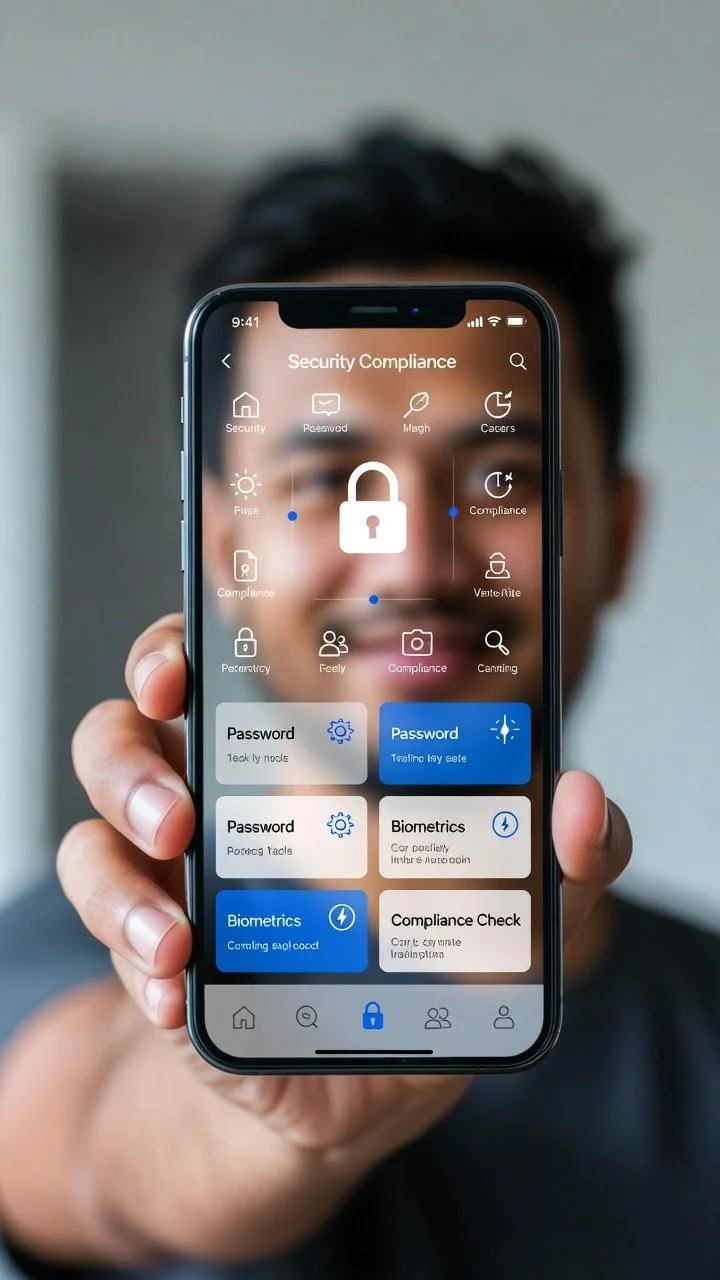
Autonomous regulatory intelligence platform that monitors U.S. agencies, assesses firm-specific impact, and drives compliance workflows from detection to audit-ready proof.
Problem it solves:
Compliance teams are overwhelmed by regulatory volume and complexity across multiple agencies, while monitoring is still manual and reactive. Firms struggle to determine what actually applies to them, coordinate responses across departments, and produce clean audit trails during examinations. xSentinel solves this by automating detection, impact analysis, task orchestration, and documentation—before gaps become regulatory risk.
Who it’s for:
Chief Compliance Officers, legal teams, and operations leaders at U.S. financial firms—including RIAs, broker-dealers, dual registrants, fintech platforms, and bank-affiliated advisory groups—who need continuous regulatory visibility, faster impact assessments, and defensible audit trails without expanding headcount.
What we learned building it
Compliance teams don’t need more alerts — they need defensible action.
Regulatory change only matters when it’s translated into firm-specific obligations.
Automation creates speed; governance creates trust.
Firm context beats generic regulatory summaries.
The best compliance systems leave a clean trail for auditors and examiners — without heroics.

Civis

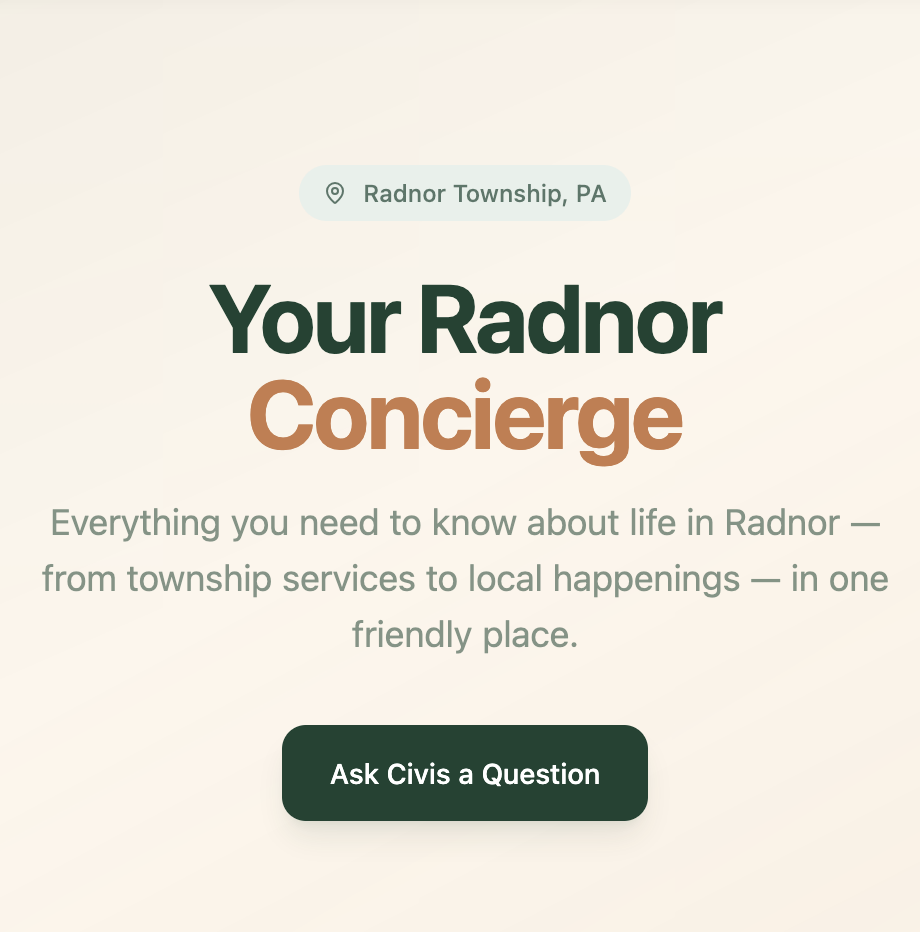
Autonomous civic and cultural concierge that answers real-world questions about your town, interprets local context, and delivers actionable guidance—from trash pickup to tonight’s concert—without digging through municipal websites.
Problem it solves:
Residents are overwhelmed by fragmented local information spread across township pages, PDFs, social posts, and outdated links. Simple questions—“When is trash pickup?” “Is there a snow emergency?” “What’s happening this weekend?”—require time, guesswork, and cross-checking multiple sources. Civis solves this by acting as an agentic town layer: it understands your location, pulls from verified civic and cultural sources, and delivers clear, contextual answers instantly—no navigation required.
Who it’s for:
Homeowners, renters, families, and engaged residents who want clarity about how their town works and what’s happening in it—without becoming part-time researchers. It’s also for municipalities, developers, and community organizations seeking a modern, intelligent interface between citizens and local life.
What we learned building it
People don’t want links — they want answers.
Local information is only useful when it’s personalized by address and context.
Civic trust is built on accuracy, not volume.
Culture matters as much as compliance—residents don’t just live in towns, they experience them.
The best town interface feels less like a website and more like a knowledgeable neighbor.

Operational Workflow Systems
AI-enabled internal tools & integrations


Problem it solves
Many small businesses operate on fragmented tools, manual handoffs, and institutional knowledge that lives in people’s heads. As teams grow, this creates missed follow-ups, inconsistent execution, and hidden operational risk.
Who it’s for
Service-based small businesses where complexity has outpaced systems—professional services, home services, and owner-led teams ready to move beyond inbox-driven operations.
What we’ve learned building these systems
The best automations start with process clarity, not technology
Small, composable tools outperform large, all-in-one platforms
Teams adopt systems faster when they’re designed around how people already work
AI adds the most value when it supports judgment, not replaces it